Psychological safety in an ayahuasca ceremony depends on more than intention and setting. It depends on the person holding space knowing how to respond when a ceremony turns difficult. Ayahuasca can surface old trauma, grief, or fear without warning, and that moment is where psychedelic training matters most.
What Does “Psychological Safety” Actually Mean in Ceremony?
Psychological safety means a participant can move through a hard emotional experience and trust that someone is watching, ready to help if needed. It is not the absence of difficulty. Ayahuasca often brings up exactly the material a person has avoided.
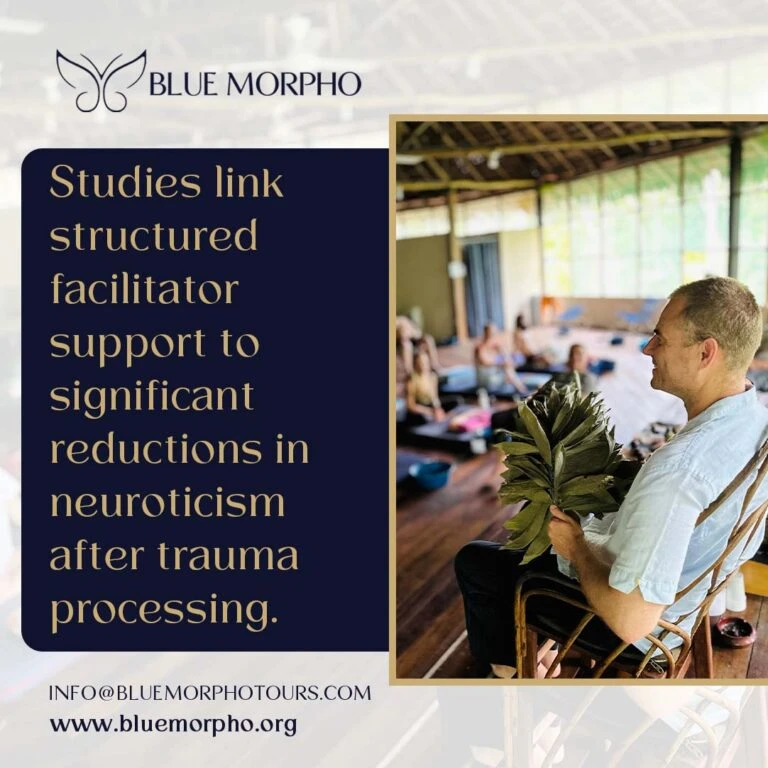
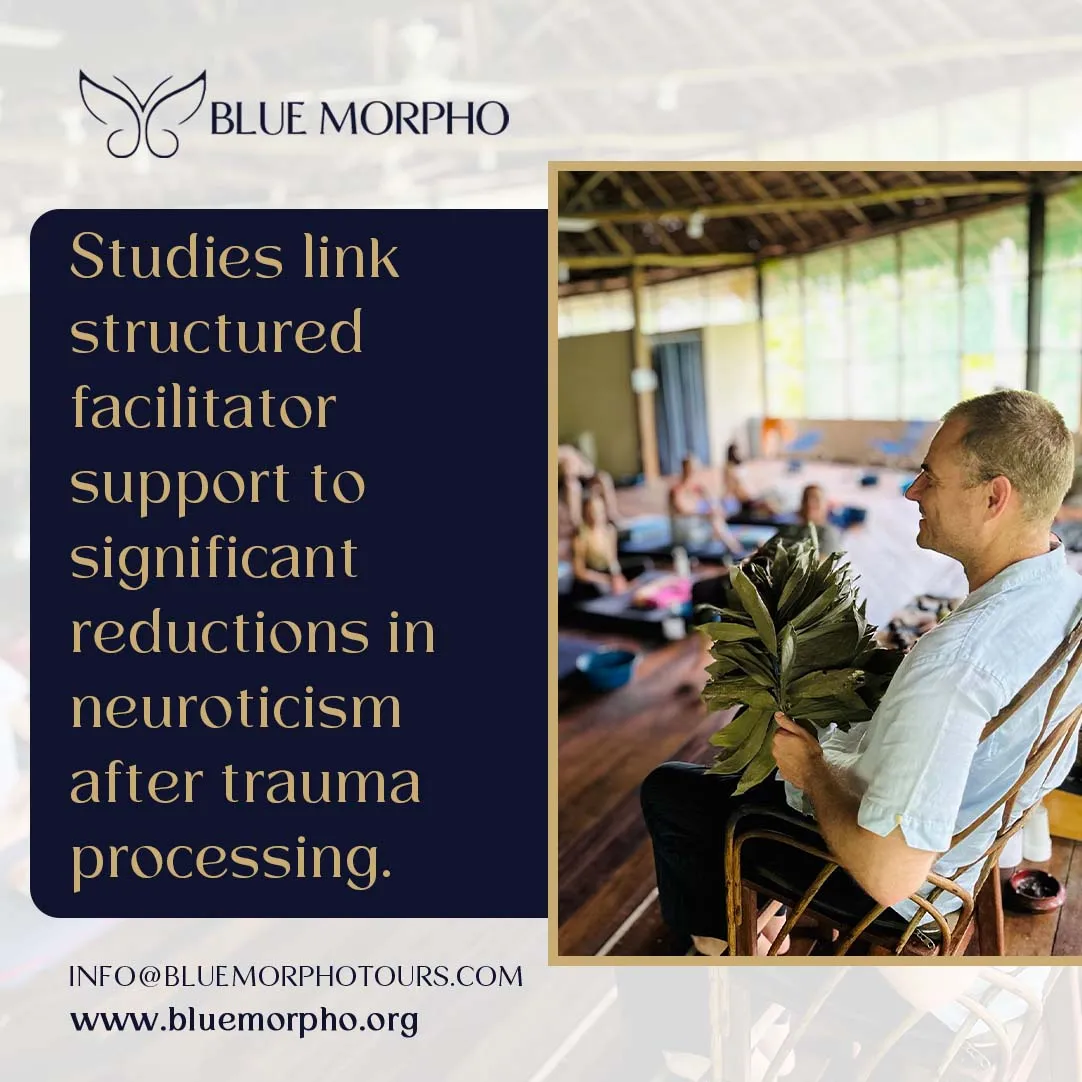
A 2023 study in Scientific Reports followed 339 participants across three ayahuasca centers and found that re-experiencing adverse life events during the ceremony was common, particularly among people with a history of trauma or PTSD. The same study linked this re-experiencing to reductions in trait neuroticism afterward, but only when it was processed well. That processing depends on the facilitator in the room.
Why Trauma Histories Raise the Stakes
Someone with unresolved trauma is more likely to reexperience it under ayahuasca. Without a trained facilitator present, that moment can become overwhelming instead of healing. Facilitator training exists to close that gap.
What Does Trained Facilitation Change in the Room?
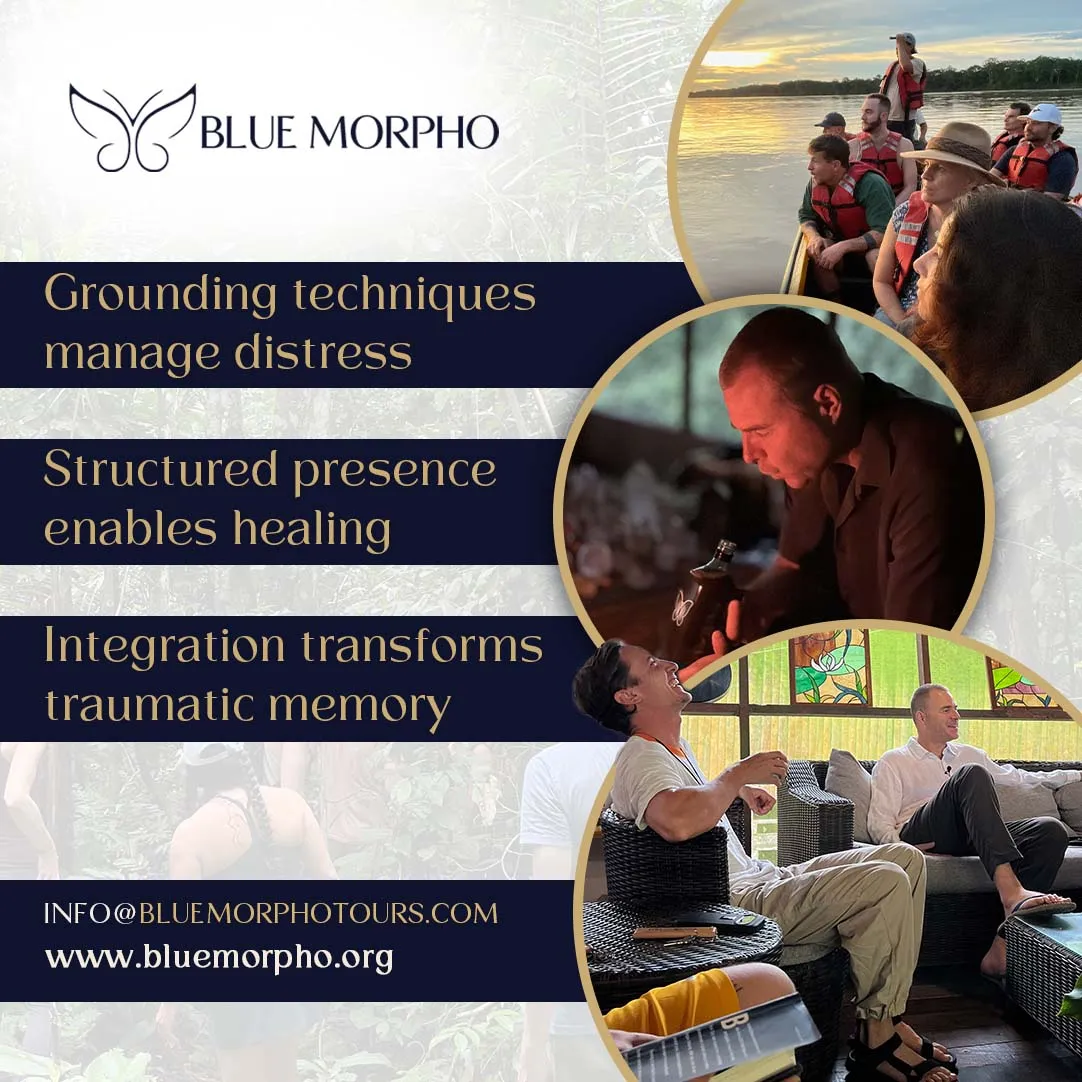
Ayahuasca facilitator training teaches people to hold space without steering the experience, recognize when someone is escalating into distress, and use grounding techniques instead of panic. Here is a simple side-by-side of what that difference tends to look like in practice.
| Situation in Ceremony | Trained Facilitator | Untrained Facilitator |
| Participant re-experiences trauma | Uses grounding techniques, stays present | May freeze, ignore, or over-intervene |
| Signs of psychological distress | Recognized early, addressed calmly | Often missed until it escalates |
| Post-ceremony integration | Structured support and follow-up offered | Little or no follow-up |
| Group dynamics | Managed so one person’s crisis doesn’t disrupt others | Left unmanaged |
How Does Training Turn Into Everyday Practice?
Training only matters if it holds up in a real ceremony. In our experience at Blue Morpho, the moments that test a facilitator most are not the calm ones. They come from unexpected trauma re-experiencing around three or four hours into a session, when a participant needs steady, quiet presence rather than instruction. A common pitfall in the wider industry is assuming that personal ceremony experience alone prepares someone for this. It does not. Managing your own difficult experience and holding space for someone else’s are different skills entirely.
Quick Questions, Straight Answers
Does plant medicine facilitator training prevent every hard moment in ceremony?
No. It prepares the facilitator to respond well when hard moments happen.
Is psychological safety the same as physical safety?
No. Physical safety covers medical screening and drug interactions. Psychological safety covers emotional support during and after the experience.
Can someone with trauma still safely attend a retreat?
Many do, with proper screening and a trained team present, though this should always be discussed directly with the retreat beforehand.
Does the facilitator’s training end after the ceremony itself?
No. Most trained facilitators also support integration afterward, since processing what came up in the ceremony often matters as much as the ceremony itself.
How can someone tell if a facilitator is actually trained, not just experienced as a participant?
Ask directly about their training path, credentials, and who they apprenticed or studied under. A trained facilitator should be able to explain this clearly, not just point to years of attending ceremonies themselves.
Where This Leaves You
The psychedelic renaissance has brought plant medicine facilitator training into sharper focus, and for good reason. Psychological safety is not a given in ceremony. It is built by people who trained for the moment things get hard, not just the moments that go smoothly. Blue Morpho’s facilitator path was shaped by Maestro Hamilton Souther’s own apprenticeship in the Amazon, and it carries that same emphasis on steady, trained presence.
Questions about our training path or ceremony safety practices can be sent to [email protected] or click here to book your discovery call.
This article is for informational purposes only and is not medical advice. Speak with a qualified healthcare provider before participating in any plant medicine ceremony.