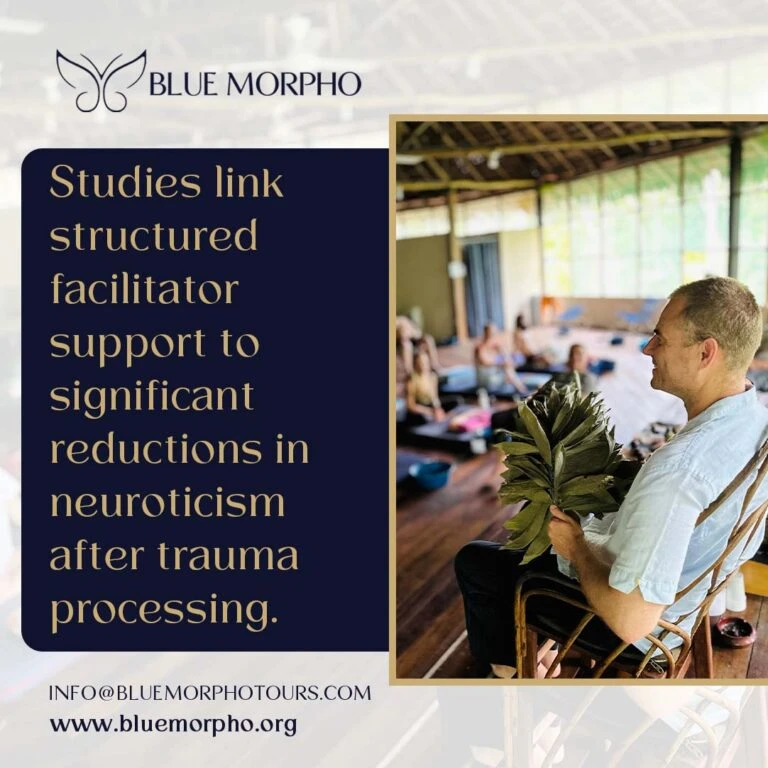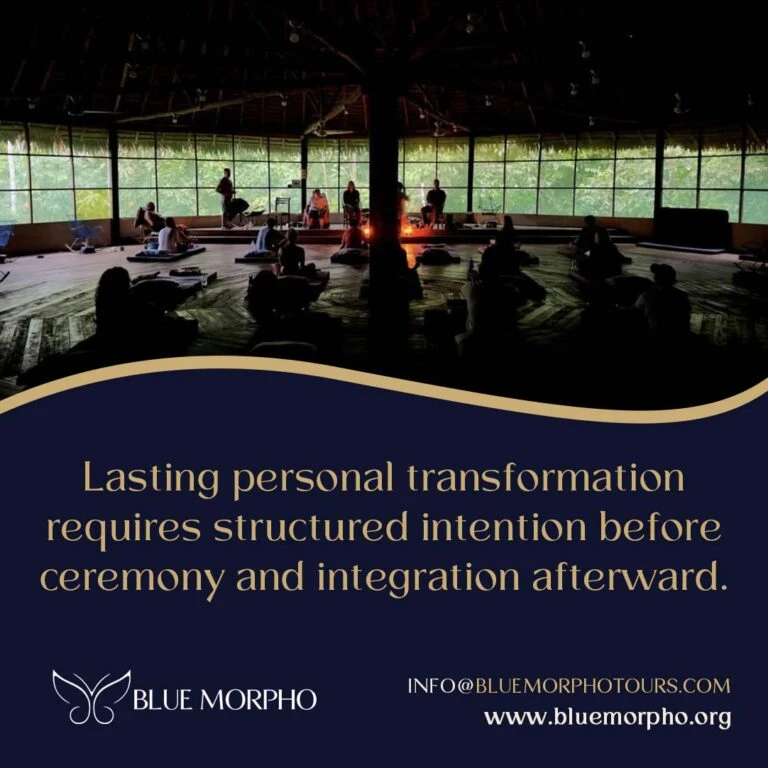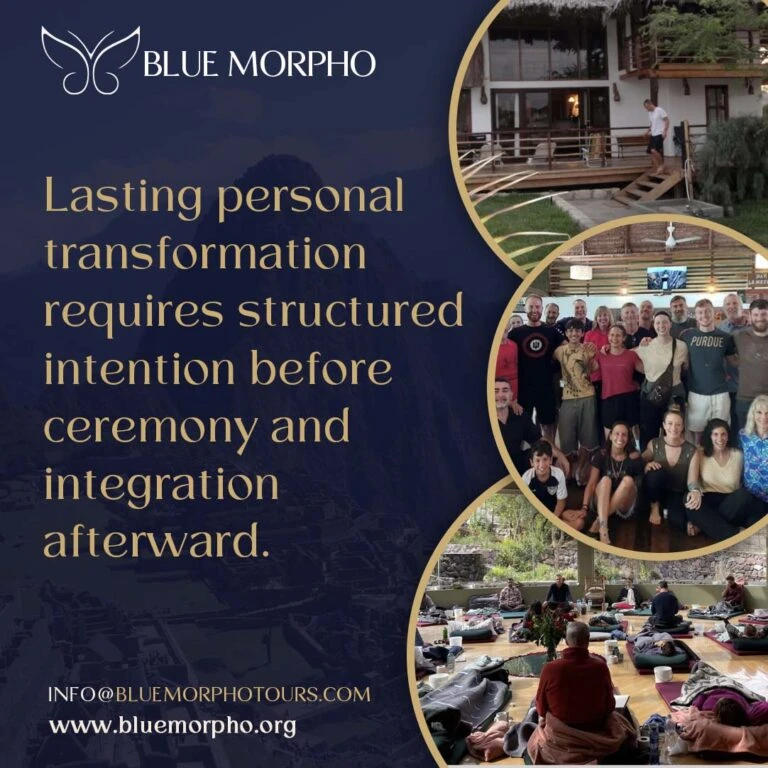
A meaningful personal experience with ayahuasca and a desire to help others do not, by themselves, prepare someone to facilitate ceremonies. Effective facilitation requires more than good intentions; it calls for emotional stability, sound judgment, ethical awareness, and a commitment to ongoing learning and self-reflection. Before enrolling in an ayahuasca facilitator training program, it’s worth honestly considering whether you have the experience and readiness to take on the responsibilities of supporting others.
What Motivations Actually Hold Up Over Time?
Some reasons for pursuing facilitation tend to fade once the real work starts. Others carry someone through years of practice. Over two decades of guiding people through ceremony, Maestro Hamilton Souther has seen recurring patterns in who stays committed and who steps back.
Motivations that tend to hold up:
- A settled, ongoing relationship with the medicines, not a single powerful experience
- Genuine comfort sitting with other people’s pain, not just your own breakthroughs
- A willingness to be corrected and mentored, rather than to lead right away
Motivations Worth Questioning
Wanting authority, wanting to relive a peak experience, or wanting a shortcut into spiritual credibility are common starting points. None of them disqualifies someone outright, but if they’re the only reason for enrolling, they rarely survive the discipline that facilitation actually requires.
Do You Need Your Own Ceremonial Experience First?
Yes, and this is one of the clearest readiness markers. Someone who has only studied plant medicine theoretically may lack the experiential reference points that many facilitator training programs consider valuable when supporting participants during ceremonies. Multiple ceremonies, ideally across different settings and intentions, give a future facilitator the internal reference points that no amount of psychedelic training alone can provide.
This is a shared concern across the field, not just Blue Morpho’s. A 2026 landscape analysis published in PLOS One interviewed representatives from 13 psychedelic facilitator training organizations. The study found broad agreement on the importance of careful trainee selection, ethics, safety, ongoing education, and preparing facilitators to respond skillfully to participants’ vulnerability, while also highlighting differences in admission requirements across programs. That’s a structural way of saying the same thing readiness looks for in practice: experience alone doesn’t qualify someone to hold space for others without deliberate preparation.
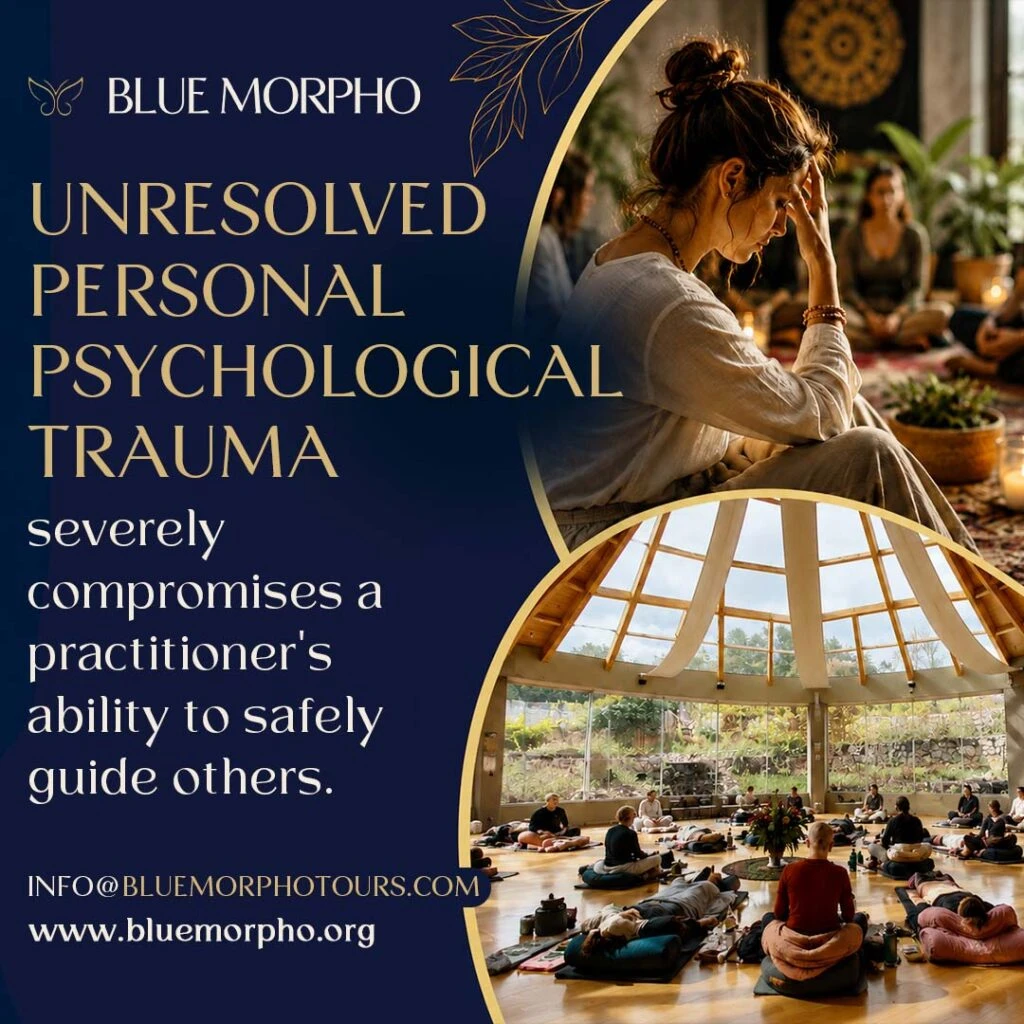
This is also where self-assessment matters most. Many experienced facilitators believe unresolved personal healing can make it more difficult to remain fully present for participants, which is why ongoing self-reflection and supervision are widely encouraged.
What Does Readiness Look Like Before You Enroll?
Practically, readiness tends to show up as:
- Staying grounded when someone else’s ceremony becomes difficult
- Being able to hold silence instead of needing to fix or explain
- Having processed your own major emotional material, not just touched it once
- Feeling steady enough to prioritize a participant’s safety over your own experience
If most of these already describe you, formal training becomes the next logical step rather than a leap.
How Does Facilitator Training Fit Into This?
Once these foundations are in place, structured ayahuasca training gives shape to instincts you already have. Blue Morpho’s Level 1 Sitter/Coach Program builds on that readiness through instruction in ethics, participant safety, preparation, integration, coaching skills, and facilitation across multiple plant medicines.
As the psychedelic renaissance brings more people toward this path, the honest answer is that training amplifies readiness. It does not create it. Blue Morpho’s programs are built for people who have already done the inner work and are looking for a rigorous, well-mentored way to formalize it.
Talk It Through Before You Enroll
If you’re unsure where you stand, Blue Morpho‘s team can help you think through your own readiness before committing to any program. A brief conversation before enrolling is often more useful than researching alone, since it gives you a chance to ask direct questions about what the path actually involves. Whether you’re weighing online preparation, in-person initiation, or plant medicine facilitator training in Peru more broadly, our team can help you figure out what stage you’re really at.
Contact Blue Morpho at [email protected] or visit us only for more information.