Trauma does not just live in memory. It lives in the nervous system, showing up as hypervigilance, numbness, or reactions that feel disconnected from the present moment. This is why so many people search for approaches that go beyond talk therapy alone. At Blue Morpho Retreats, guests often ask whether traditional Amazonian healing can genuinely help the brain process trauma, or whether “rewiring” is just a hopeful metaphor.
What Does “Rewiring” the Brain Actually Mean?
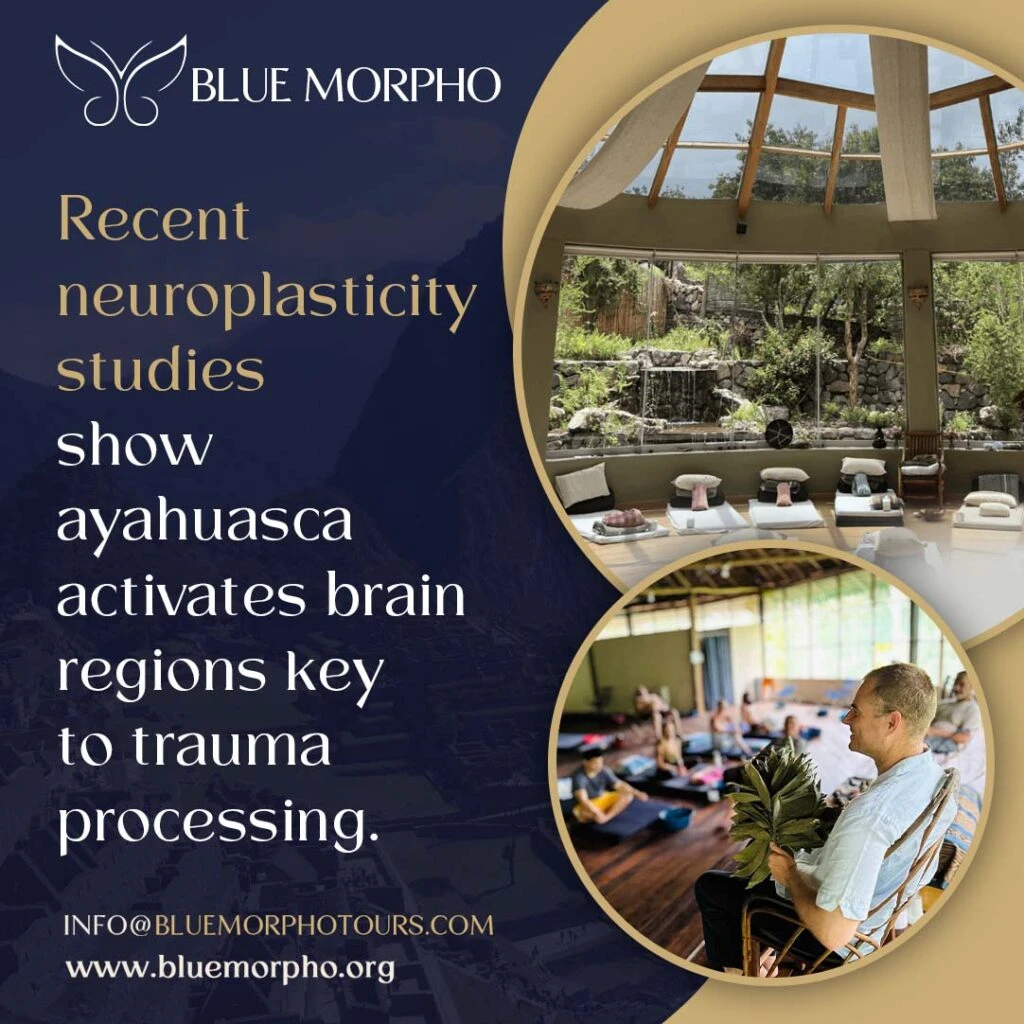
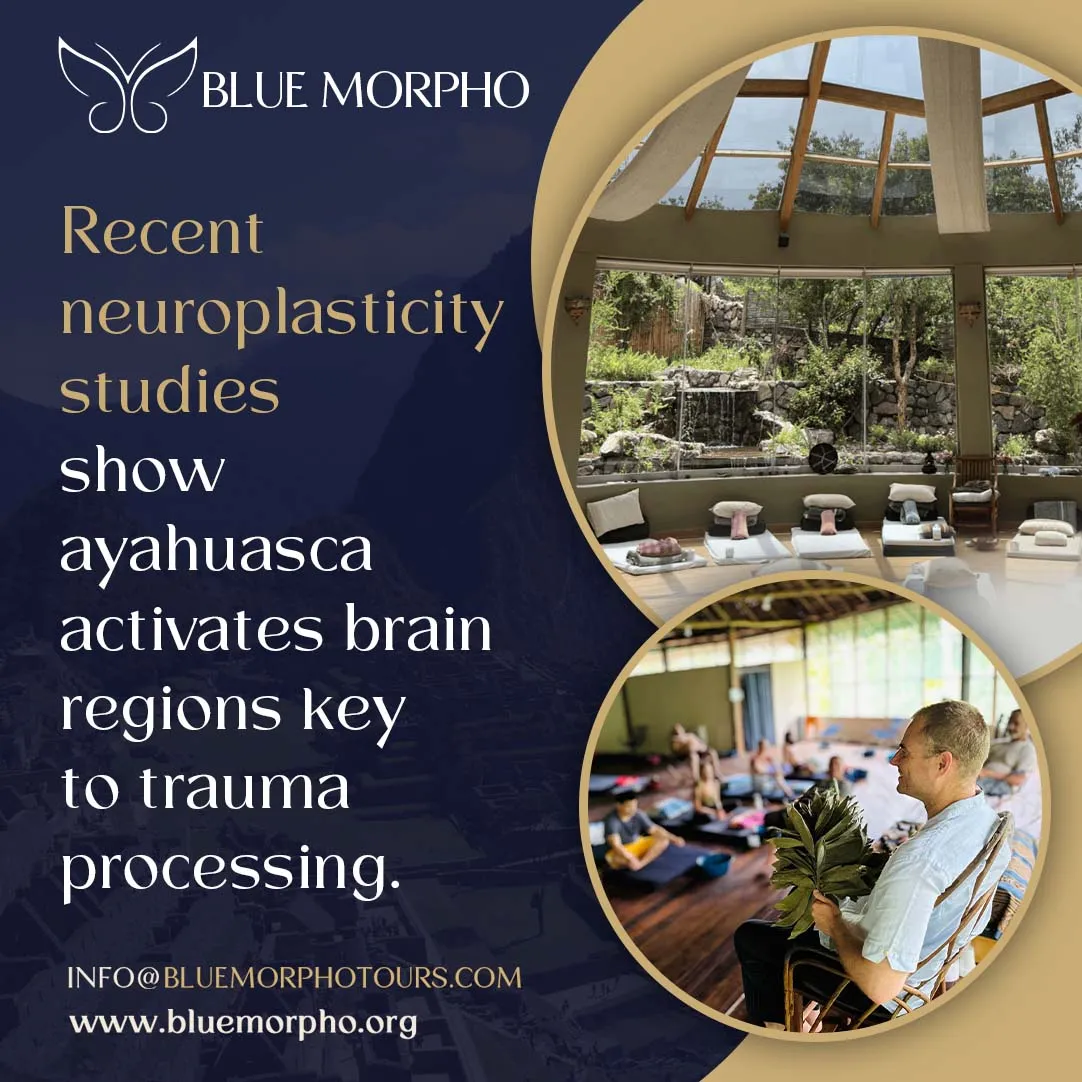
Rewiring refers to neuroplasticity, the brain’s capacity to form new neural connections in response to experience. Trauma can lock the nervous system into fear-based patterns. Recent preclinical research on ayahuasca found that it enhances fear extinction by activating serotonin receptors in the infralimbic cortex, a brain region that helps regulate fear memory. This is not proof that a single ceremony erases trauma. It does suggest a plausible biological pathway for why deep emotional processing can occur during shamanic healing work.
How Trauma Shows Up During Ceremony
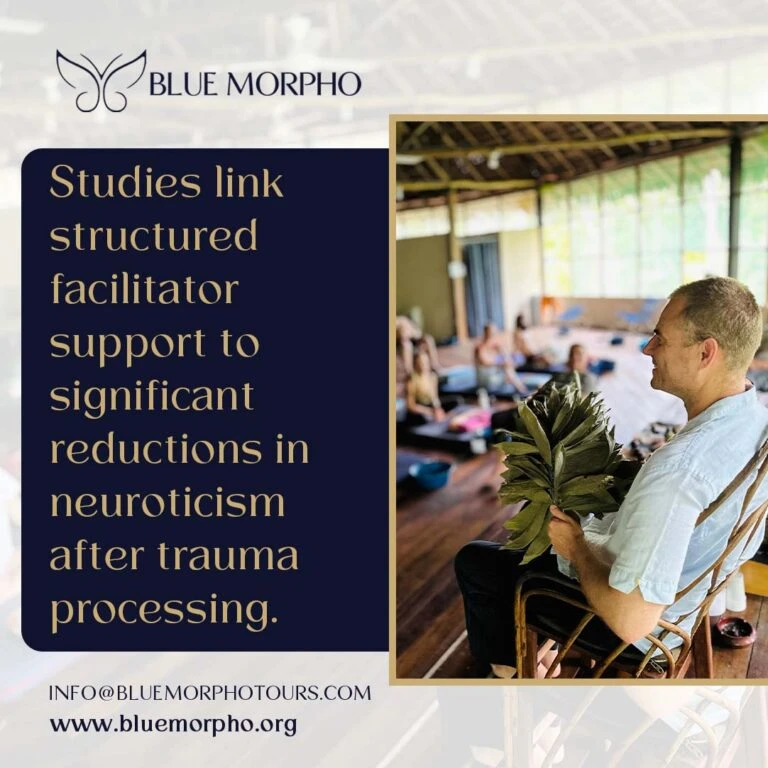
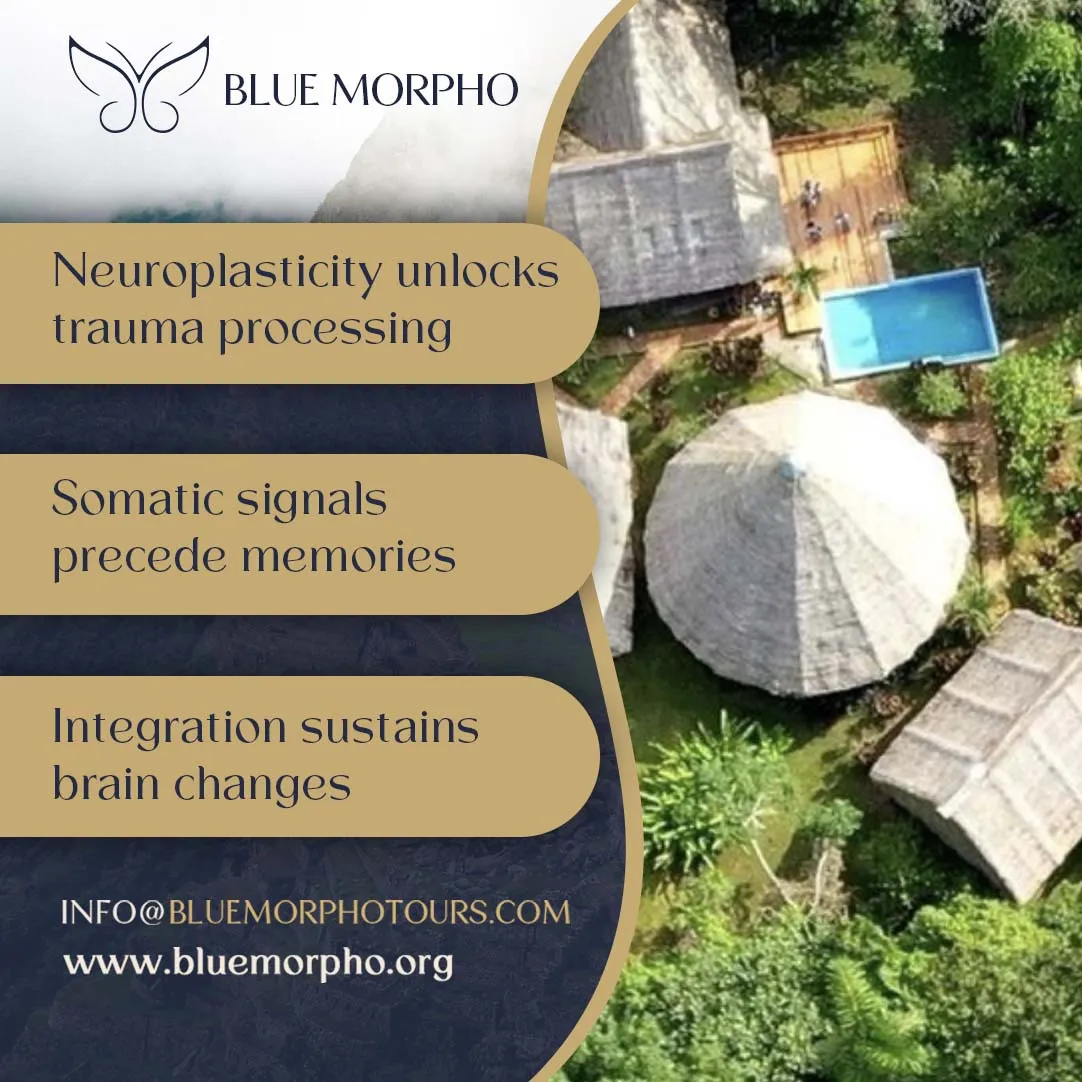
Every guest processes trauma differently, and this is where direct experience matters more than research alone. Maestro Hamilton Souther has guided more than 15,000 people through plant medicine ceremonies over 23 years at Blue Morpho in Peru. Across that time, he has observed a common pattern: trauma often surfaces first as physical sensation, tightness, heat, or trembling, before it becomes a clear memory or insight. Facilitators trained in Blue Morpho’s lineage-based program are taught to recognize these somatic signals and hold space accordingly, rather than pushing a guest toward premature resolution.
A Common Pitfall to Avoid
A frequent misconception is that one ceremony should fully resolve deep trauma. In practice, trauma processing tends to unfold in layers across a retreat, and rushing the process can leave a guest overwhelmed instead of supported.
Is Shamanic Healing Safe for Trauma Survivors?
Safety depends heavily on preparation and facilitator experience. A 2024 case series involving eight military veterans found preliminary evidence of meaningful improvement in PTSD symptoms following a 3-day ayahuasca intervention, although the authors emphasized that the findings were preliminary and based on a small sample. This underscores why screening matters. Guests with certain conditions, including some cardiac issues or a history of psychosis, may need additional medical clearance before attending. Blue Morpho‘s intake process is designed to identify these factors ahead of time.
What to Expect: Preparation, Ceremony, and Integration
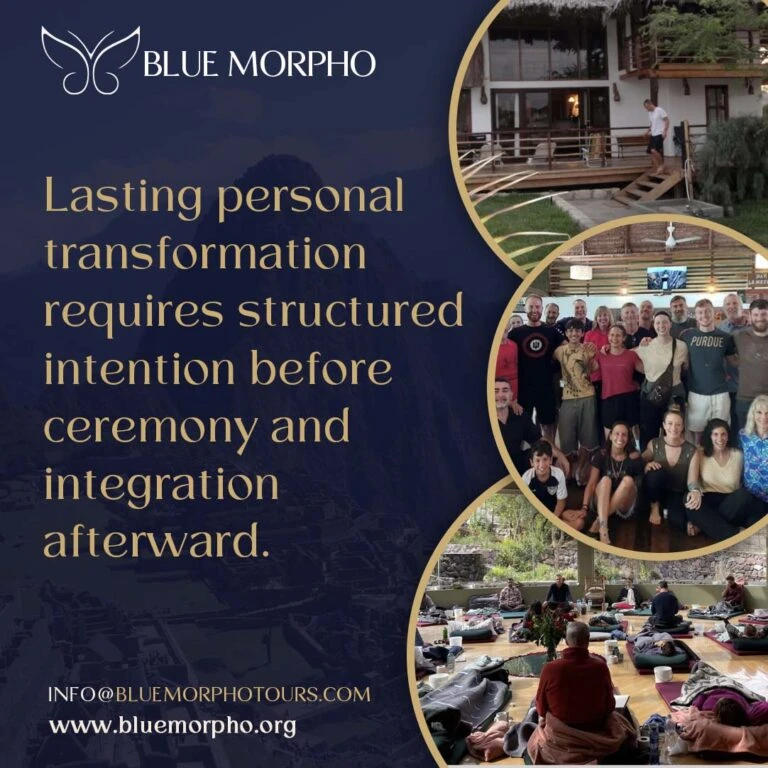
A Blue Morpho’s Ayahuasca retreat is structured around three phases, not a single event.
- Preparation: dietary guidelines and an intake conversation to establish safety and intention
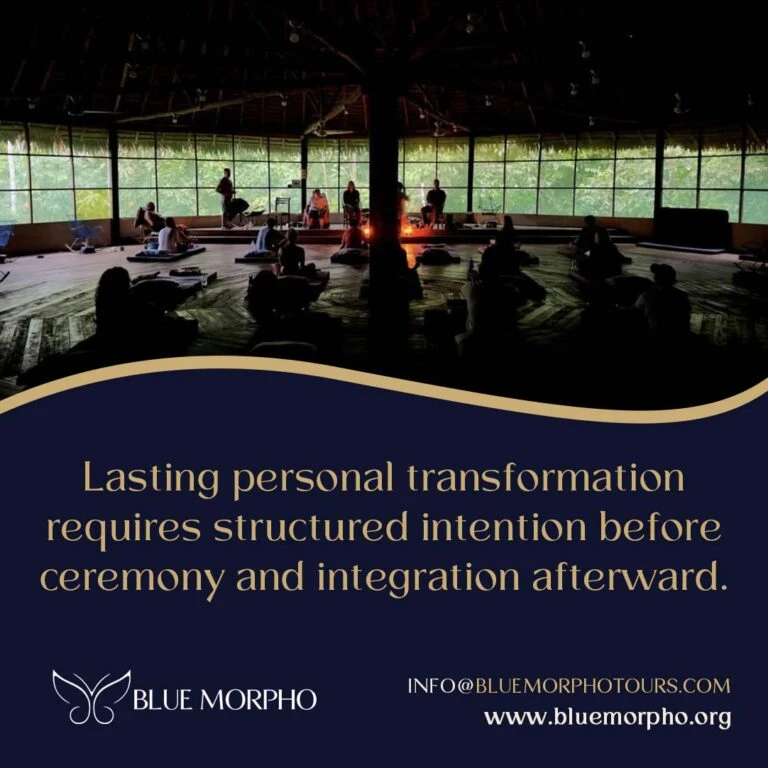
- Ceremony: guided sessions in the maloca, supported by trained facilitators and icaros
- Integration: daily group discussion during the retreat, plus ongoing community support afterward
Why Integration Matters as Much as the Ceremony
Insight gained during a ceremony can fade quickly without structured integration. This is why Blue Morpho Tours include daily Q&A sessions with Maestro Hamilton, and why the community portal offers ongoing mentorship after guests return home.
What Makes Blue Morpho’s Approach Different
Hamilton apprenticed under Don Julio Llerena Pinedo and became the first Westerner recognized as a Maestro Medico Vegetalista, a credential built on direct lineage training rather than a short certification course. Ceremonies take place on a 170-acre private reserve, offering a contained, natural setting that supports the kind of nervous system regulation trauma work requires.
Answers to Common Trauma-Healing Questions
What happens if a difficult memory surfaces unexpectedly during the ceremony?
Trained facilitators stay present throughout the ceremony to help guests stay grounded. Memories that surface are addressed in that moment and revisited the next day during integration, rather than left unprocessed.
How many ceremonies are needed to notice change?
This varies by individual. Some guests notice shifts after one ceremony, while others need multiple retreats to work through layered trauma.
Is this a replacement for therapy?
It can complement therapy but is not a substitute for clinical mental health treatment, especially for severe or unstable conditions.
Your Path to Healing Starts Here
Trauma does not resolve overnight, but the right guidance can change everything. If you are considering shamanic healing for trauma, understanding the process matters as much as the destination. Contact Blue Morpho, founded by Hamilton Souther, at [email protected] or explore what a retreat could look like for you on our website.
Disclaimer: This article is for informational purposes only and does not constitute medical or psychological advice. Shamanic healing and plant medicine ceremonies are not a substitute for diagnosis or treatment by a licensed medical or mental health professional. Anyone with a trauma history, PTSD, or other mental health condition should consult a qualified provider before attending a retreat.