Emotional intelligence is the foundation of effective ayahuasca facilitator training because it enables facilitators to create safe environments, recognize emotional needs, respond appropriately during ceremonies, and support participants through challenging experiences. While knowledge of plant medicine traditions and ceremonial practices is important, a facilitator’s ability to understand and respond to emotional needs determines how well they guide individuals through vulnerable and transformative moments.
Key Takeaways
- Emotional intelligence helps facilitators create trust and psychological safety during ceremonies.
- Participants often experience intense emotions that require compassionate and skilled support.
- Effective ayahuasca training includes developing self-awareness, empathy, and emotional regulation.
- The growing psychedelic renaissance has increased demand for well-trained facilitators.
- Blue Morpho in Iquitos, Peru, emphasizes emotional intelligence alongside traditional plant medicine education.
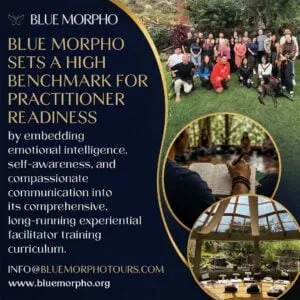
What Is Emotional Intelligence in Ayahuasca Facilitator Training?
Emotional intelligence is the ability to recognize, understand, manage, and respond effectively to emotions in oneself and others. Within ayahuasca facilitator training, strong interpersonal skills influence every aspect of participant care, from preparation and ceremony support to post-experience integration.
Ayahuasca ceremonies often bring forward deep emotions, memories, fears, grief, and personal insights. Participants may experience moments of joy, sadness, confusion, vulnerability, or emotional release. A facilitator’s ability to respond calmly and compassionately can significantly impact the quality of the experience.
Unlike technical skills that can be taught through instruction alone, emotional intelligence develops through self-reflection, practice, and direct experience. This is why leading ayahuasca training programs focus not only on ceremony logistics but also on personal growth and emotional maturity.
Why Ayahuasca Facilitators Need Strong Interpersonal Skills?
Technical knowledge is important in plant medicine facilitator training. Facilitators must understand ceremonial structure, participant preparation, safety protocols, and traditional practices.
However, ceremonies rarely unfold exactly as planned.
A participant may encounter unresolved trauma. Another may experience fear during a challenging vision. Someone else may struggle to interpret a powerful emotional breakthrough.
In these moments, emotional intelligence becomes more valuable than any checklist or protocol.
Technical Training vs. Emotional Intelligence in Ayahuasca Facilitation
Technical training tells a facilitator what to do. Emotional intelligence determines how well they respond when a ceremony doesn’t go to plan.
| What we’re comparing | Technical Knowledge & Protocols | Emotional Intelligence |
| What it covers | Ceremonial structure, participant preparation, safety procedures, traditional practices | Recognizing, understanding, managing, and responding to emotions in oneself and others |
| When it matters most | Planning and running a ceremony as expected | When a ceremony doesn’t go as planned – trauma surfaces, fear, an emotional breakthrough |
| Under pressure | Gives the facilitator a checklist to follow | Lets the facilitator read the moment and respond in real time |
| How it’s learned | Instruction, study, and memorization | Self-reflection, practice, and direct experience over time |
| Effect on the participant | Keeps the ceremony safe and structured | Shapes how safe, supported, and understood the participant feels |
| If it’s missing | A disorganized or unsafe ceremony | Participants left unsupported in their most vulnerable moments |
Facilitators who possess strong emotional awareness can:
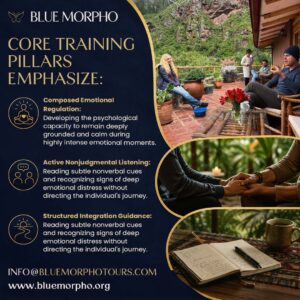
- Remain calm during intense situations.
- Listen without judgment.
- Recognize signs of emotional distress.
- Provide reassurance without controlling the experience.
- Maintain a grounded presence throughout the ceremony.
Participants often remember how supported they felt more than the specific details of the ceremony itself. Research supports the value of these skills in facilitator training. A 2024 meta-analysis published in Psychological Bulletin found that empathy can be strengthened through training, reinforcing the importance of emotional awareness, compassionate communication, and participant support in transformative settings.
How Do Ayahuasca Facilitators Handle Challenging Experiences?
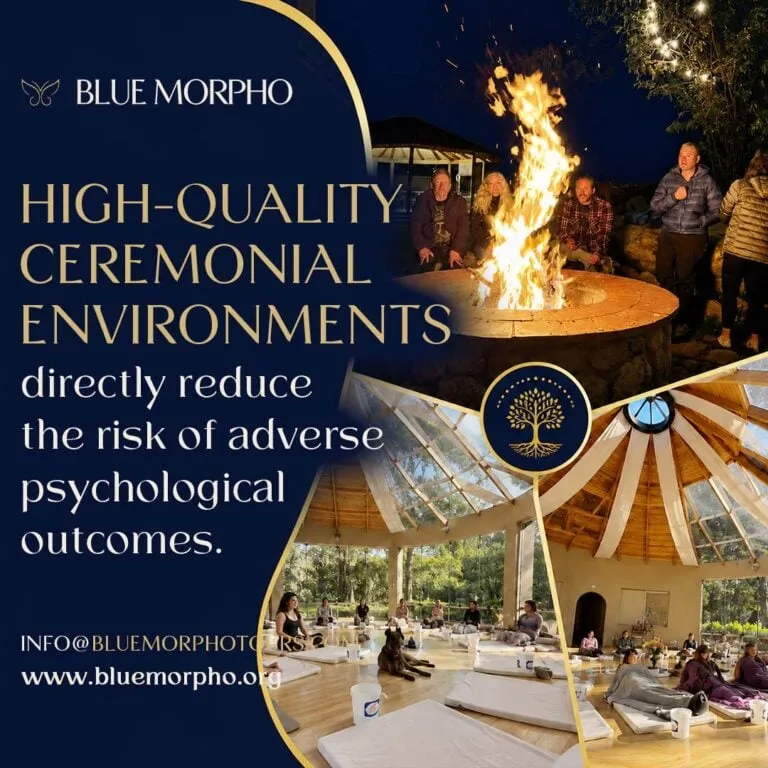
Creating Emotional Safety
Emotional safety begins long before the ceremony starts.
Participants are often entering unfamiliar territory. Many travel from the United States and other countries to attend retreats in Iquitos, Peru, seeking healing, self-discovery, or personal growth.
Facilitators help establish emotional safety by:
- Setting clear expectations.
- Building trust during preparation sessions.
- Encouraging honest communication.
- Respecting personal boundaries.
- Creating a welcoming environment.
When participants feel emotionally safe, they are more likely to engage openly with the experience.
Supporting Emotional Release
Ayahuasca can bring buried emotions to the surface.
People may revisit difficult memories, confront fears, process grief, or gain insight into long-standing patterns. Emotional releases are often an important part of the healing process.
Facilitators with strong empathy and self-awareness understand that these experiences should not be rushed, dismissed, or overly interpreted.
Instead, they provide:
- Presence.
- Patience.
- Compassion.
- Nonjudgmental support.
This approach allows participants to navigate their experiences in a way that feels authentic and empowering.
Reading Nonverbal Communication
Not every participant verbalizes what they are feeling.
Facilitators must learn to recognize subtle cues such as:
- Changes in body language.
- Facial expressions.
- Breathing patterns.
- Social withdrawal.
- Signs of emotional overwhelm.
Emotional intelligence helps facilitators respond appropriately while respecting each participant’s process.
What Skills Do Ayahuasca Facilitators Need?
Self-Awareness
Self-awareness is the foundation of emotional intelligence.
Facilitators must understand their own emotional patterns, triggers, strengths, and limitations.
Without self-awareness, personal emotions can interfere with participant support.
Strong facilitators regularly evaluate their own reactions and maintain ongoing personal development practices.
Emotional Regulation
Ceremonies can present unexpected challenges.
A facilitator who becomes anxious, reactive, or overwhelmed may unintentionally affect participants.
Emotional regulation allows facilitators to remain grounded during difficult situations and provide steady support regardless of circumstances.
Empathy
Empathy enables facilitators to understand another person’s emotional experience without assuming they fully know what that person is feeling.
Empathetic facilitators:
- Listen carefully.
- Avoid judgment.
- Respect individual experiences.
- Respond with compassion.
Empathy helps build trust and meaningful connections.
Active Listening
Active listening goes beyond hearing words.
It involves:
- Paying full attention.
- Asking thoughtful questions.
- Reflecting understanding.
- Avoiding interruptions.
- Creating space for expression.
Participants often gain clarity simply by feeling heard and understood.
Why Is Emotional Intelligence Important Today?
The Psychedelic Renaissance has increased interest in plant medicines, facilitator education, and consciousness exploration. This trend is measurable: the University of Michigan’s Monitoring the Future study, funded by the National Institute on Drug Abuse, reported that psychedelic use among U.S. adults in their 20s through 40s reached record levels in 2024.
As demand grows, facilitator training must extend beyond ceremonial practices to include emotional awareness, ethical responsibility, psychological safety, and communication skills. Programs that develop empathy, active listening, and emotional regulation better prepare facilitators to support participants through transformative experiences.
How Training Builds Compassion and Self-Awareness?
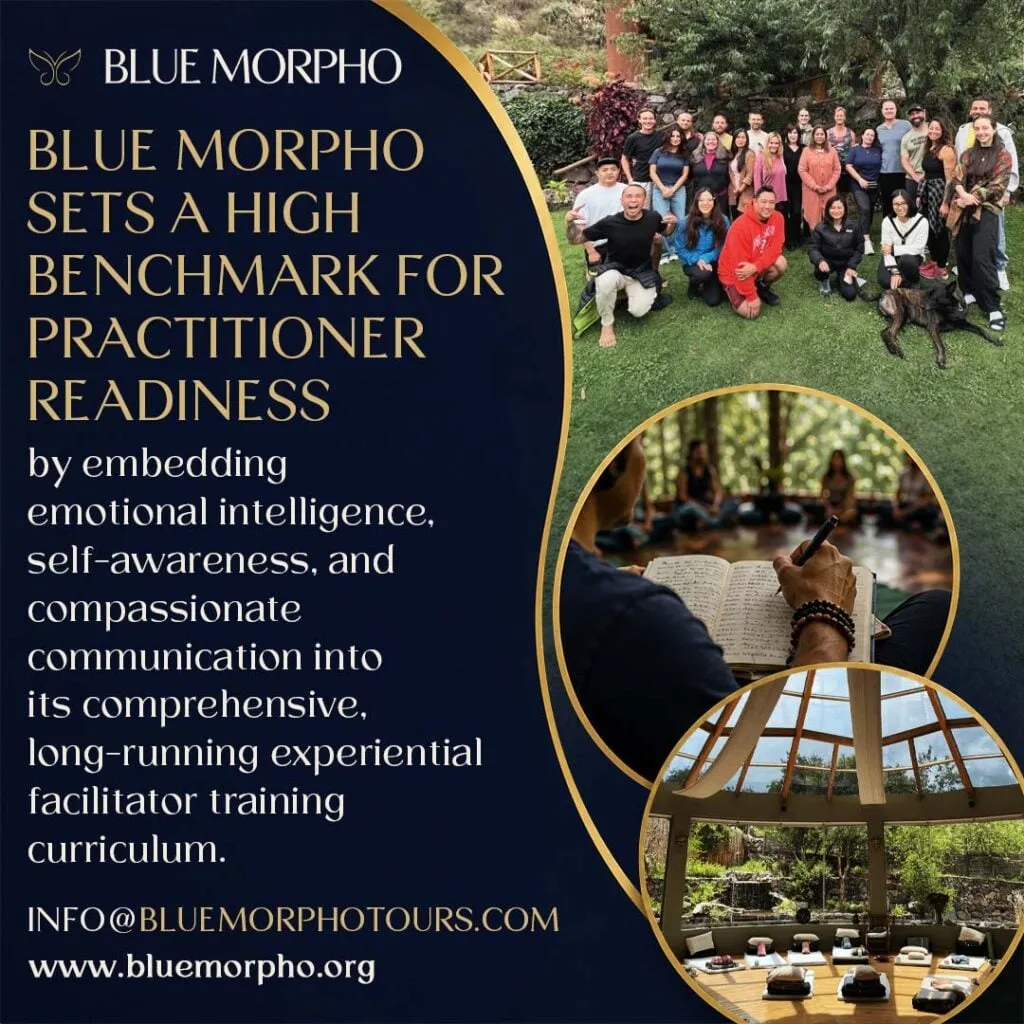
Effective ayahuasca training incorporates emotional development throughout the learning process.
Rather than treating emotional intelligence as a separate subject, leading programs integrate it into every stage of psychedelic training.
Personal Experience and Reflection
Students learn by examining their own experiences and emotional responses.
Personal reflection helps future facilitators:
- Build self-awareness.
- Identify blind spots.
- Strengthen emotional resilience.
- Develop greater compassion for others.
Group Learning Environments
programs often include collaborative discussions and shared learning experiences.
These environments encourage:
- Active listening.
- Respectful communication.
- Emotional awareness.
- Relationship-building skills.
Mentorship and Observation
Experienced facilitators serve as valuable role models.
Observing how seasoned practitioners respond to participant needs provides practical lessons that cannot be learned from books alone.
Why Train in Iquitos, Peru?
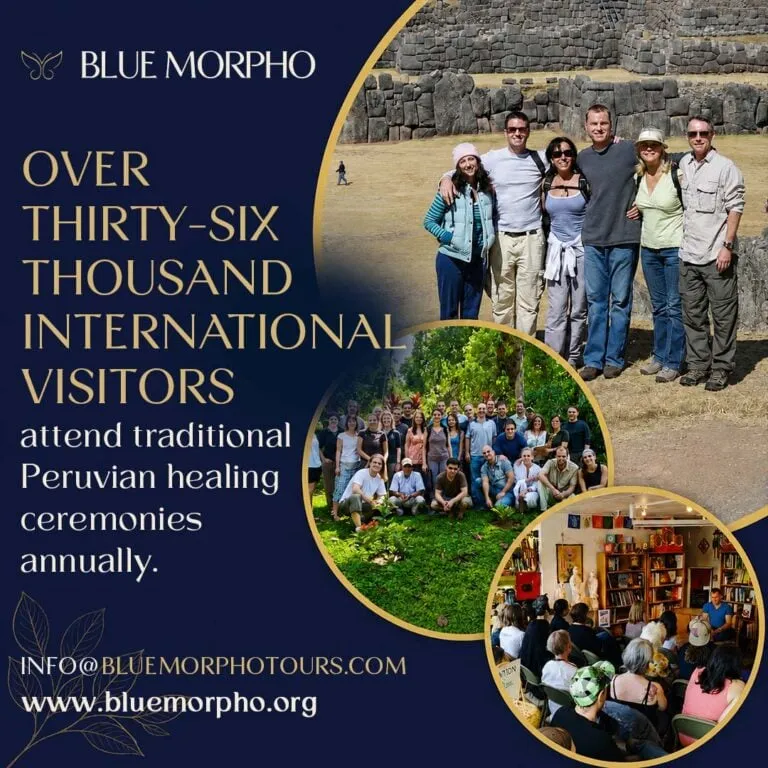
Iquitos, Peru, has become one of the world’s most recognized destinations for ayahuasca education and traditional plant medicine learning.
The region offers direct access to indigenous knowledge, Amazonian traditions, and experienced practitioners who have worked with these medicines for decades.
For those interested in plant medicine facilitator training, studying in the Amazon provides an immersive learning environment that combines:
- Traditional ceremonial practices.
- Personal growth opportunities.
- Cultural understanding.
- Hands-on experience.
- Deep connection with the natural environment.
Learning within the cultural context where ayahuasca traditions developed can provide a valuable perspective for future facilitators.
Why Choose Blue Morpho?
Blue Morpho has spent more than two decades supporting individuals seeking personal transformation and a deeper understanding of plant medicine traditions.
Located in the Peruvian Amazon near Iquitos, Blue Morpho’s training approach recognizes that technical knowledge alone is not enough to become an effective facilitator.
Participants are encouraged to develop:
- Emotional awareness.
- Compassionate communication.
- Ethical responsibility.
- Personal integrity.
- Respect for traditional practices.
By combining experiential learning with personal development, students gain skills that extend far beyond ceremony management.
The goal is not simply to facilitate ceremonies but to support people with wisdom, presence, and emotional maturity.
What Makes a Great Ayahuasca Facilitator?
As the psychedelic renaissance continues to expand interest in plant medicines and facilitator education, emotional intelligence remains the skill that separates knowledgeable facilitators from truly effective ones. Technical expertise, ceremonial knowledge, and safety protocols are essential, but the ability to understand, regulate, and respond to emotions ultimately shapes the participant experience.
For individuals seeking comprehensive plant medicine facilitator training, developing self-awareness, empathy, and emotional resilience alongside traditional plant medicine knowledge creates a stronger foundation for ethical, compassionate, and effective facilitation. At Blue Morpho in Iquitos, Peru, this balance of personal growth and practical education helps prepare future facilitators to support others with confidence, presence, and care. Contact us at [email protected] or visit our website to know more.